Key Messages
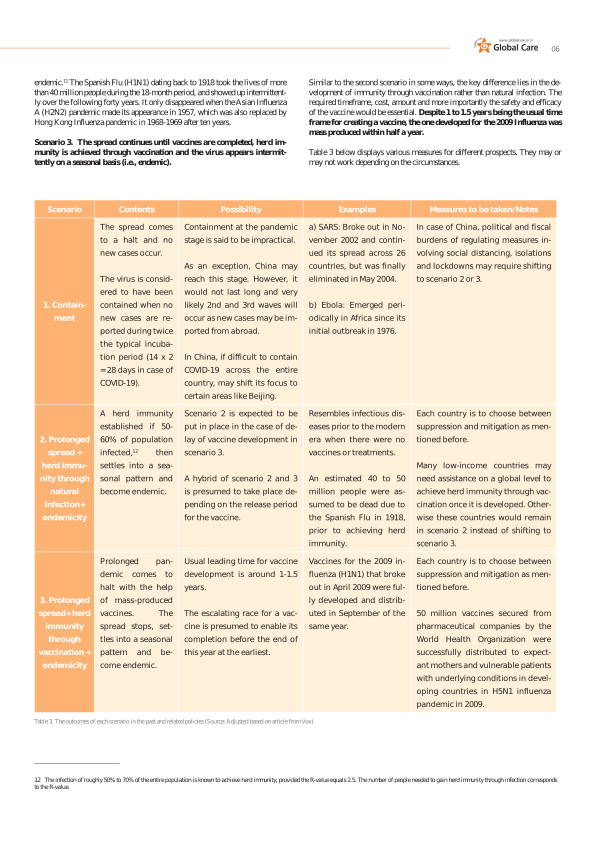
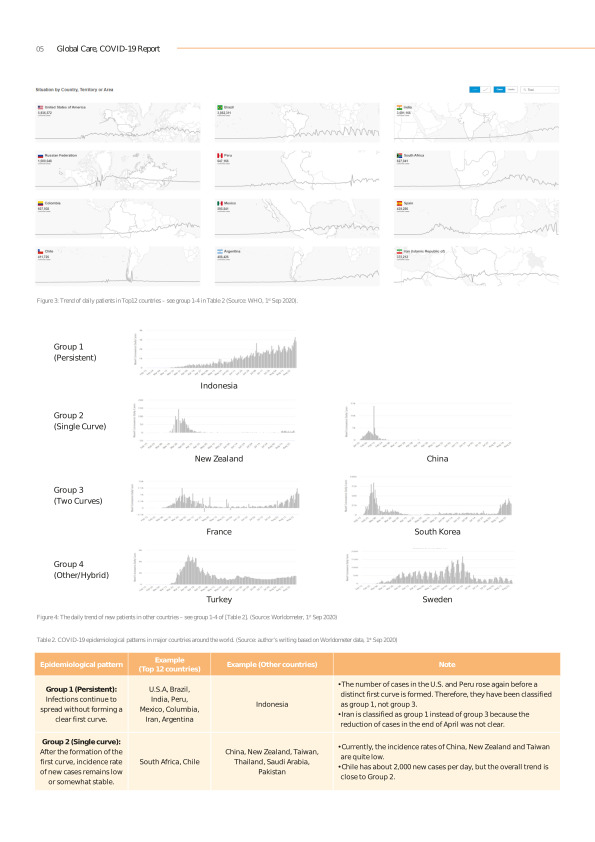
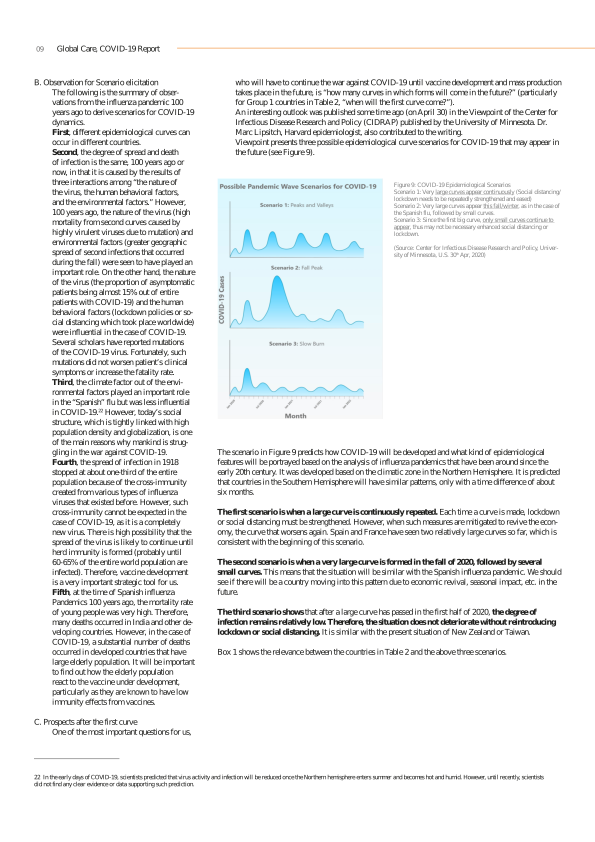
• The three possible future scenarios of Covid-19 are as follows (Fig 3). The containment of COVID-19 mentioned in the first scenario is impractical for most countries, and only a few exceptionally competent countries may stand a chance at it. Both scenario 2 and 3 indicate the long-term endemicity of the virus. The two are also similar in that they both aim for strength ened herd immunity, but the former entails the development of immunity during natural infec tion and the latter through vaccination. • Both scenario 2 and 3 call for “suppression” and “mitigation” to respond efficiently to the threat posed by the growing pandemic. The “suppression” approach - which centers around reducing the pace of spread and occurrence of new cases to minimize the number of deaths - imposes strict social distancing in addition to other common measures, including case detection, contact tracing, isolation, etc. On the contrary, one of the main objectives of the ‘mitigation’ approach focuses on coping with upheavals caused by COVID-19 to minimize the negative impact on the socio-economic sector rather than to reduce the number of deaths. The regulations associated with social distancing mostly apply to senior citizens over the age of 70 and other vulnerable groups (as seen in Table 2).
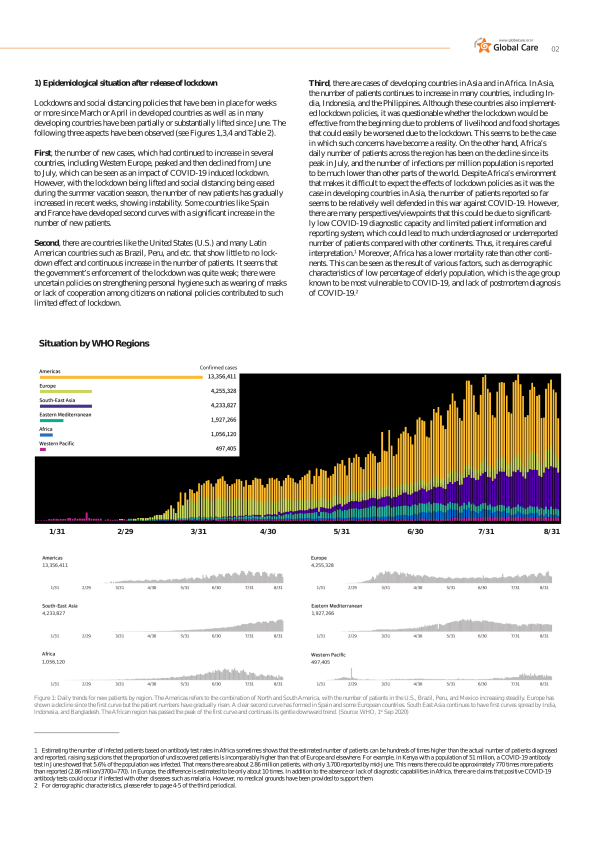
• During the past two to three weeks, we have seen countries of different income levels across the continents battling Covid-19 in their own ways. From developed countries like the US and Europe to developing countries like India have implemented strict measures, including the restriction of movement and comprehensive lockdown. This is in line with the ‘suppression’ policy aimed at curtailing mortality due to Covid-19 by subduing the spread of infection. • Known for its outstanding diagnostic capacity and well-executed social distancing practice that set an example for others, South Korea’s prospect for successful prevention of the spread of…
앞부분 일부를 원문에서 글자로 옮긴 것입니다. 표·그림과 전체 내용은 이북에서 확인하세요.